
N-AI-tingale - Early Detection of Patient Deterioration with AI
Harnessing the power of nurse’s intuition to predict in-hospital patient deterioration by developing a machine learning algorithm to detect clinical cues in video and audio
From Clinical Intuition to Intelligent Systems
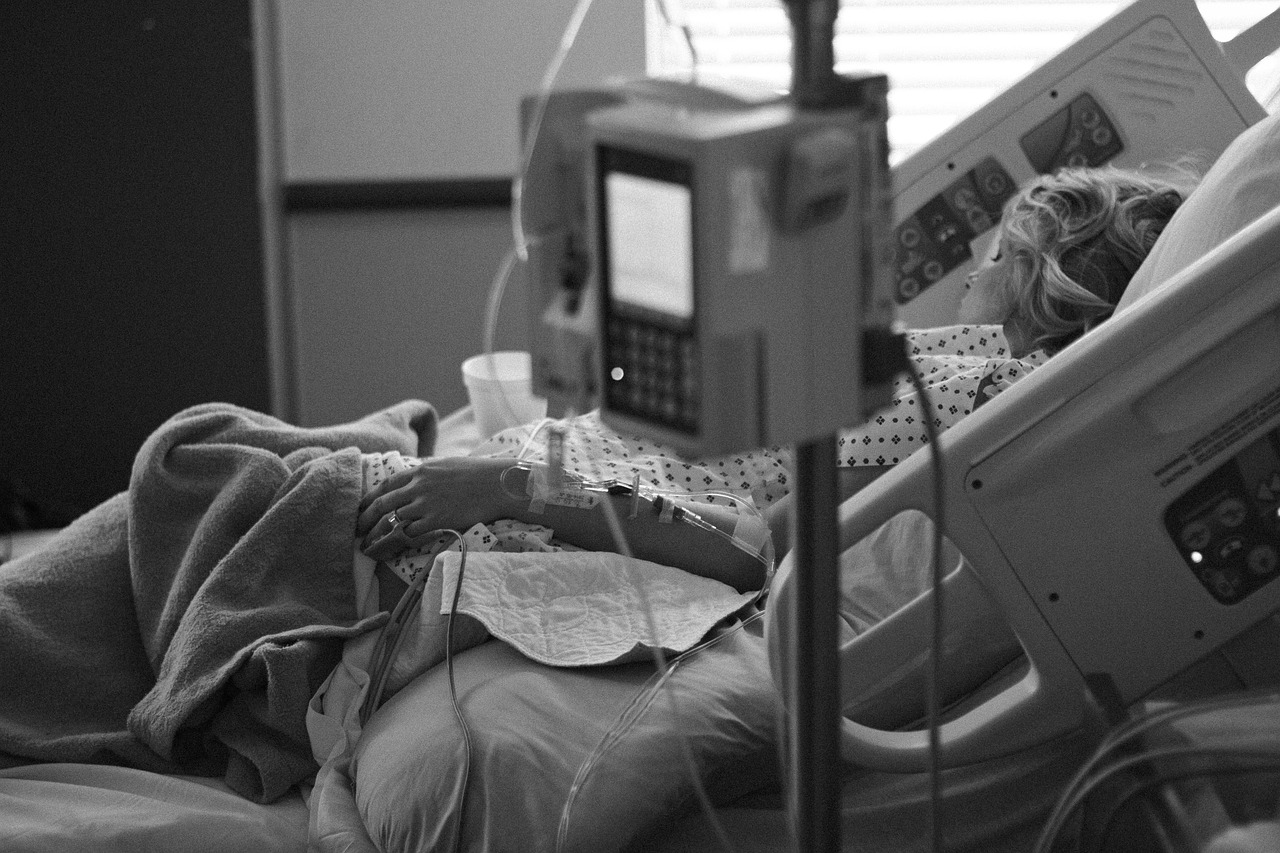
Ensuring the safety and well-being of hospitalised patients is a shared goal of healthcare workers globally. Researchers worldwide have been investigating ways to minimize preventable events such as unexpected death by implementing systems for early detection of deterioration. This project, the N-AI-tingale study, stands at the forefront of this mission, merging the intuition of clinical nurses with the speed and precision of artificial intelligence (AI) to automatically detect signs of patient deterioration early.
By analysing both what nurses can see and hear, this research project seeks to harness the untapped potential of AI in detecting patient deterioration via machine vision and hearing. We will assemble a unique database of video and audio recordings of patients on hospital wards. From the gentle furrow of a brow to the faintest change in breathing patterns, we aim to develop an algorithm that can detect these subtle signs of deterioration.
We will do so by identifying clinical cues, developing an AI algorithm, and integrating it into hospital workflows to assess its accuracy and user-friendliness. What sets this project apart is the combination of video and audio to capture the nuanced, often non-verbal indicators of patient distress, a novel approach in the field. Finally, we will involve data scientists, clinicians, hospital administrators, patients, and a legal advisor to ensure our approach is practical, ethical, and legal.
The consortium
The project promotors are:
- Prof. Filip Haegdorens from the Workforce Management and Outcome Research in Care group, at the Centre for Research and Innovation in Care (CRIC), at the University of Antwerp
- Prof. Kirsten Colpaert from the research group Digital Innovation for Man and Society, at the Ghent University Hospital – Ghent University. She is also Director of the Data Science Institute (DSI).
- Dr. Hannes Mareen from IDLab-MEDIA, Ghent University – imec.
For this project, we received funding for a junior research project from the Research Foundation Flanders (FWO), for the 2025 call for proposals. The project will run for four years, from 2026 until 2030.