
Hannes Mareen presented a keynote titled “How AI-based Regeneration Reshapes Multimedia Forensics” at the Synthetic Realities and Data in Biometrics and Security Workshop (SynRDinBAS) at the Winter Conference on Applications in Computer Vision (WACV) 2026 in Tucson, Arizona, USA.

AI-based diffusion models are widely known for generating new images from text, but their capabilities extend much further, into restoration, enhancement, editing, and compression. These AI tools unlock impressive creative and technical possibilities.
However, they also blur the line between real and synthetic content, posing new challenges for multimedia forensics:
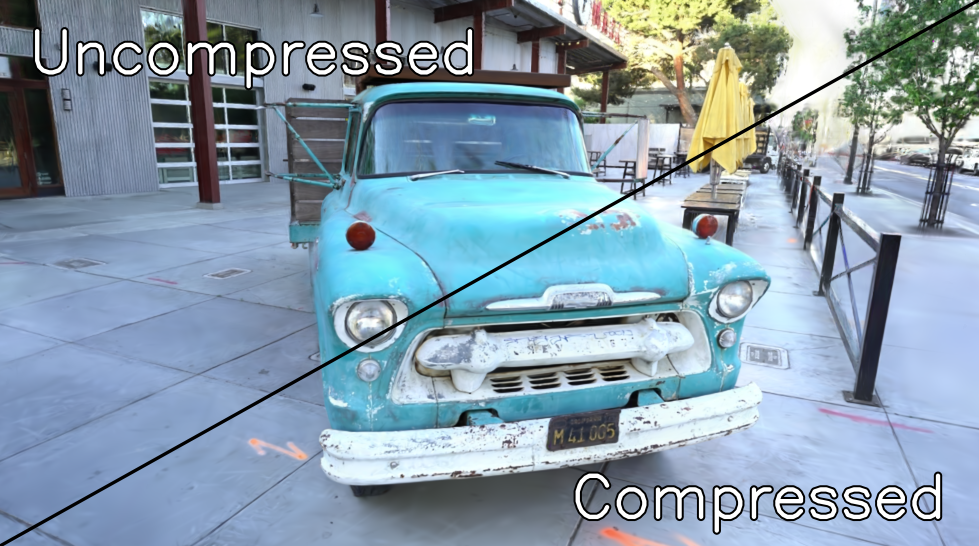
- First, AI-based compression may appear content-preserving, yet it can subtly alter image semantics. This poses serious risks, for instance, when analyzing sensitive material such as surveillance footage.
- Moreover, such processing can introduce artifacts resembling those of generative models, meaning authentic media might be incorrectly flagged as synthetic.
- Even more disruptive, diffusion-based regeneration can erase forensic traces used for watermarking, deepfake detection, or image forgery localization. This can occur intentionally in targeted attacks or unintentionally through image processing such as super-resolution.
- Finally, current image forgery localization methods fail to localize edits performed by new AI-based inpainting methods because they fully regenerate the edited images.
As AI-based regeneration becomes embedded in everyday media workflows, multimedia forensics must evolve to safeguard trust in visual evidence in the era of generative AI. Therefore, we need:
- Automated detection & mitigation of miscompressions;
- Detection of the media processing history;
- New forensic methods robust to laundering: real vs. real-but-regenerated vs. fake.
Moreover, advanced technical multimedia forensics may be complemented by:
- Widespread adoption of provenance & content credential standards, to authenticate real media;
- Widespread media literacy & societal awareness.